
A Nation at a Crossroads
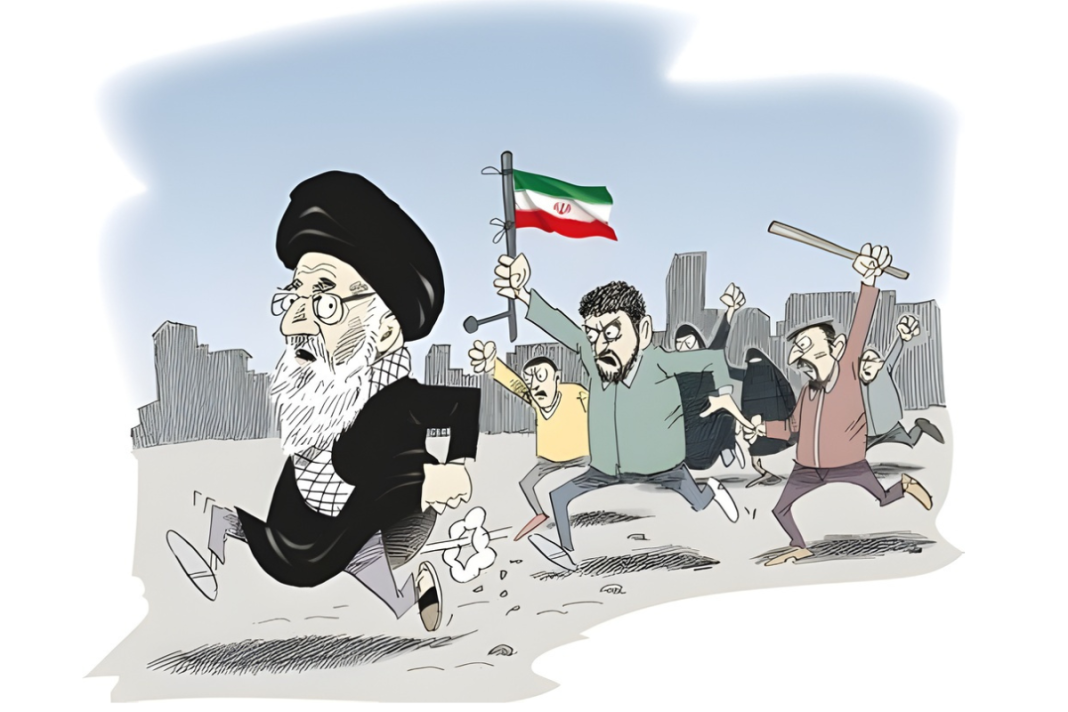
For months now, the streets of Iran have told a story of profound change. What began as anger over economic hardship and social restrictions has transformed into a powerful cry against the very foundation of the Islamic Republic’s leadership. Chants are no longer just about policy; they are directly challenging the rule of Supreme Leader Ayatollah Ali Khamenei. In response, the state has labeled protesters “apostates” and threatened severe punishment, yet the people, facing armed forces, continue their march.
This explosion of frustration didn’t appear overnight. It is the result of 47 years of a system built on revolutionary ideology, strict social control, and confrontation with the West. The state, in the name of “protecting the revolution,” has gradually tightened its grip on personal lives through morality police, surveillance, and the suppression of dissent. Now, a generation that has known only this rule is demanding an end to it.
But a critical question hangs in the air: If this powerful system fractures, what comes next? History teaches us that the fall of an authoritarian regime does not automatically bring freedom. Often, the most dangerous period is the one that follows the collapse. Iran faces a precarious and uncertain future.
Immediate Danger: The Power Vacuum
The most immediate risk if Khamenei’s era ends suddenly is a dangerous power vacuum. Iran’s state structure is highly centralized, with the military, the powerful Islamic Revolutionary Guard Corps (IRGC), intelligence agencies, and militias all loyal to the current system.
- Who Gives Orders? Without the Supreme Leader, it’s unclear who would command these forces. Different factions within the IRGC or military could fight for control.
- Risk of a Power Grab: Instead of a smooth transition to democracy, the country could see a military coup or a violent struggle between hardliners trying to preserve their power and others seeking change.
- Administrative Collapse: The day-to-day functioning of the government—paying salaries, providing services—could break down, leading to chaos.
In short, the first risk is trading one form of authoritarian rule for another, or worse, a period of lawlessness with no clear authority at all.
Internal Fractures: A Patchwork Nation
Iran is not a country of one single people. It is a mosaic of different ethnic and religious groups—Persians, Azerbaijanis, Kurds, Baluch, Arabs, and others. For decades, many of these groups have complained of discrimination and neglect by the central government in Tehran.
If the strong central rule weakens:
- Regional Unrest: Regions like Kurdistan or Baluchistan could see stronger movements for autonomy or even independence.
- Rise of Armed Groups: Ethnic separatist groups could become more active, leading to internal conflicts and violence.
- Nation at Risk: While the complete breakup of Iran is less likely, the country could face prolonged periods of instability and internal strife, making a peaceful democratic transition even harder.
The Nuclear Question: A World’s Worry
One of the world’s biggest concerns is the fate of Iran’s nuclear program. Its facilities have been a flashpoint for international tension for years. A collapse of state authority creates severe risks:
- Security Threat: Who controls these sensitive sites? Weak state control could make them targets for attacks by terrorist groups or external enemies.
- Risk of War: Countries like Israel or the United States, fearing loose nuclear materials or weapons, might feel forced to launch military strikes. This could drag the entire Middle East into a devastating war.
- Proliferation Fear: There is a nightmare scenario where nuclear materials or knowledge could slip out of the country entirely.
Regional Earthquake: The “Axis of Resistance” Unravels
Iran is not just any country; it is a major power player in the Middle East. Through the IRGC’s Quds Force, it supports a network of allied groups across the region—the so-called “Axis of Resistance.”
This includes:
- Hezbollah in Lebanon
- Militias in Iraq and Syria
- Houthi rebels in Yemen
If Tehran’s central command and funding are disrupted:
- Proxy Groups Uncontrolled: These powerful armed groups could act on their own, creating new conflicts or intensifying existing ones in unstable countries.
- Regional Power Scramble: Rivals like Saudi Arabia and Israel would likely move quickly to fill the power vacuum, leading to a dangerous new phase of regional competition.
- Global Economic Shock: Much of the world’s oil passes through the Strait of Hormuz, which Iran borders. Major instability could threaten this vital waterway, causing global oil prices to skyrocket and hurting economies everywhere.
The People’s Burden: Economic and Humanitarian Crisis
The protests are fueled by a collapsing economy crushed by international sanctions and mismanagement. The fall of the regime would not magically fix this.
- Instant Hardship: Government salaries and subsidies for food and fuel could stop. The banking system might freeze. This would cause immediate, severe suffering for ordinary Iranians.
- Sanctions Wall: Even with a new government, crippling international sanctions would not disappear overnight. Removing them requires long, complex negotiations, meaning economic pain would continue.
- Long Road to Recovery: Rebuilding a shattered economy takes years. Public frustration could boil over again, potentially making people yearn for the “stability” of strongman rule, jeopardizing any democratic progress.
The Shadow of Foreign Intervention
History shows that when a nation is weak and divided, foreign powers often see an opportunity. Iran, with its vast oil wealth and strategic location, would be a prime target.
- Interference by Proxy: Countries could support rival factions within Iran—some backing hardliners, others backing reformers—turning an internal struggle into a bloody proxy war.
- Military Excuse: The nuclear or humanitarian crisis could be used as a justification for military intervention by outside powers, which rarely leads to peace or democracy for the local population.
- Loss of Sovereignty: The ultimate risk is that Iranians, after fighting to control their own destiny, could see their future decided by foreign interests.
Final Verdict : Between Hope and Peril
The potential fall of the current Iranian leadership presents a historic opportunity for democratic change that the protest generation is bravely fighting for. The desire for freedom, dignity, and a normal life is powerful and just.
However, the path beyond the regime is mined with extreme risks: from civil war and regional conflict to economic collapse and foreign meddling. The key lesson from other countries is that “what comes after” is more important than the fall itself.
A successful transition would require courageous, unified leadership from within Iran, a careful plan to maintain security, and a willingness from the world to support Iran’s sovereignty and its people’s choices—not just its resources. The goal must be to avoid replacing one tragedy with a larger, more devastating one. The future of Iran hangs in this delicate and dangerous balance.