


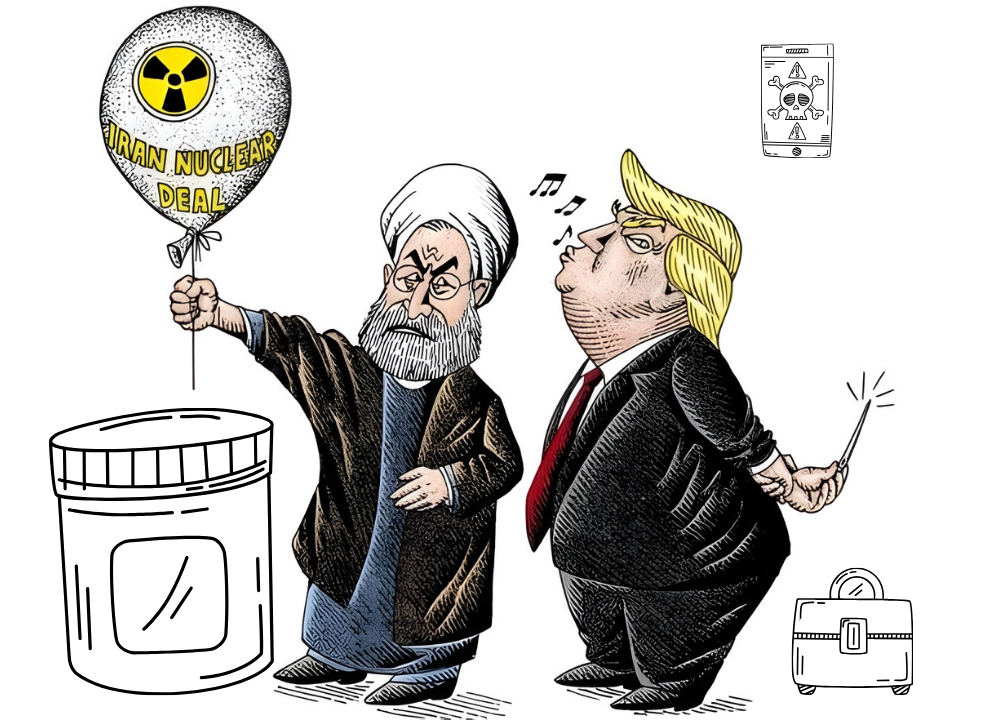
The streets of Iran have witnessed dramatic scenes of unrest in recent weeks, raising critical questions about the future of the Islamic Republic and regional stability. While the protests haven’t toppled the government or sparked a Venezuela-style coup, they’ve exposed deep fractures in Iranian society and triggered international responses that could reshape Middle Eastern geopolitics for years to come.
Understanding Iran’s Recent Turmoil
Iran’s security forces responded to recent protests with an iron fist, implementing measures that included shutting down internet access and limiting live broadcasts of demonstrations. The goal was clear: prevent the movement from spreading beyond control. Authorities also disabled thousands of satellite-based Starlink devices, cutting off alternative communication channels that protesters might use to organize and share information with the outside world.
The exact details of what happened on Iran’s streets remain contested. Different sources provide varying accounts of events, casualty figures, and the number of security personnel killed. However, one estimate stands out as relatively certain: the death toll was horrifyingly high. More concrete information will likely emerge in the coming weeks as independent investigators and journalists piece together what actually occurred.
Why the United States Didn’t Strike Iran
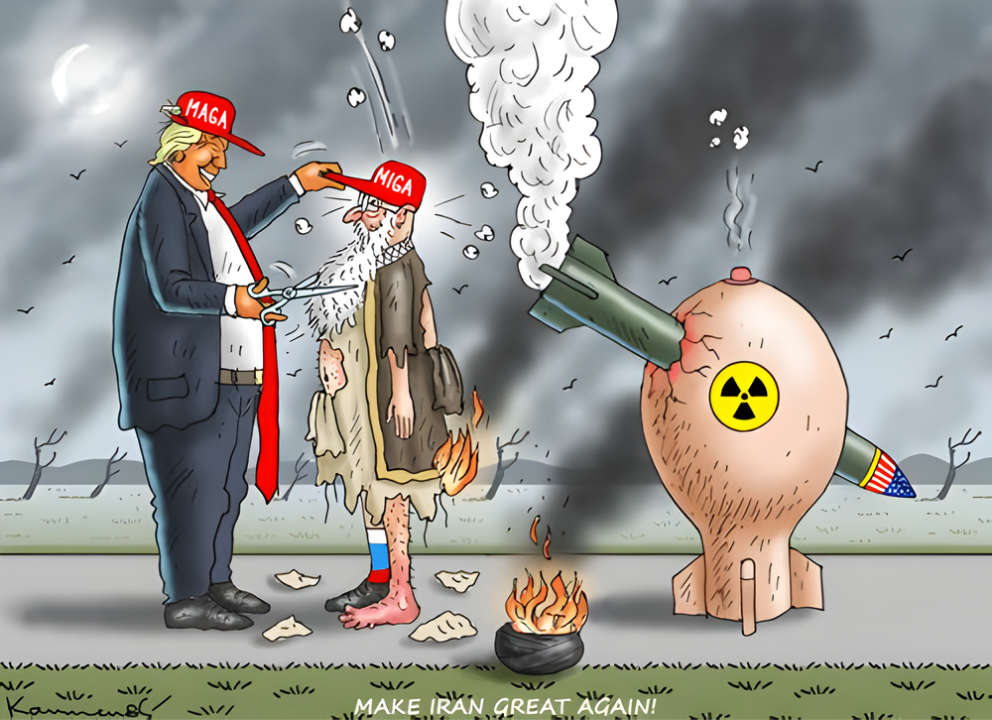
Despite strong pressure from Israel, the United States chose not to launch military strikes against Tehran’s top leadership. The reasons behind this restraint aren’t entirely clear, but several factors likely influenced President Donald Trump’s decision.
First, the U.S. may not have had sufficient military capability positioned in the region to guarantee a successful operation. Military strategists generally avoid recommending actions unless they can assure decisive outcomes. The Pentagon might have concluded that the forces available couldn’t deliver the kind of swift, complete victory that Trump typically demands.
Second, regional allies including Qatar, Saudi Arabia, and Turkey probably warned Trump about the consequences of attacking Iran. These countries understand Middle Eastern dynamics intimately and likely conveyed that a U.S. strike could destabilize the situation so severely that no one could manage the aftermath. When your closest partners in a region urge caution, even the most hawkish leaders usually listen.
Trump’s Middle East Vision vs. Reality
President Trump often views Middle Eastern affairs through a distorted lens. Last October, when announcing a ceasefire in Gaza, he claimed to have ended a conflict that had lasted three thousand years. This statement reflects either historical ignorance or deliberate exaggeration—unless one accepts the premise that Israeli bombing constitutes peace while actions by others constitute war.
The reality is far more complex than Trump’s simplified narratives suggest. The Middle East’s conflicts have deep historical, religious, and political roots that can’t be resolved through military force alone or by declarations from Washington.
The Unpredictability Factor
With Donald Trump, one thing remains certain: uncertainty. His threats regarding Greenland at the Davos summit demonstrated this characteristic clearly. Now, after initial hesitation, massive American military power is moving toward Iran. This doesn’t mean an attack is imminent, but it shows that the possibility of U.S. or Israeli strikes hasn’t been canceled—merely postponed.
This unpredictability makes planning difficult for all parties involved. Allies don’t know whether to prepare for war or diplomacy. Adversaries can’t gauge whether aggressive posturing will escalate or de-escalate tensions. Even Trump’s own advisors probably struggle to predict his next move.
Europe’s Dangerous Decision
Amid this volatile situation, the European Union made a controversial choice: listing Iran’s Islamic Revolutionary Guard Corps (IRGC) as a terrorist organization. This decision sets a dangerous precedent that European leaders may not have fully considered.
The IRGC isn’t just a military force—it’s deeply embedded in Iran’s political and economic structures. Designating it as terrorist effectively labels a significant portion of Iran’s government and business community as terrorists. This could severely complicate any future diplomatic efforts and make negotiations nearly impossible.
Moreover, if designating parts of foreign governments as terrorist organizations becomes normalized, other countries might apply similar logic to Western military or intelligence agencies they disagree with. The EU may have opened a Pandora’s box of diplomatic complications.
The Nightmare Scenario: A Collapsed Iran
Some hardliners in the United States and Israel dream of seeing Iran collapse entirely. However, this vision reveals a dangerous lack of imagination about what would actually happen if the Islamic Republic fell apart.
The chaos that would follow Iran’s collapse would make Iraq’s post-invasion disaster look minor by comparison. Iraq had roughly 25 million people when the U.S. invaded in 2003; Iran has 90 million. Iraq’s ethnic and religious divisions are complex; Iran’s are even more so, with Persians, Azeris, Kurds, Arabs, Baloch, and others all having distinct identities and grievances.
When states collapse, power vacuums form. These vacuums get filled by armed groups, extremist movements, regional powers, and opportunistic neighbors. Iran sits at the crossroads of the Middle East, Central Asia, and South Asia. Its collapse wouldn’t be contained within its borders—it would send shockwaves through the entire region.
Consider what would happen to Iran’s nuclear facilities, chemical plants, and military arsenals in a collapse scenario. Who would secure them? What if extremist groups gained access? The risks are almost unthinkable.
Why Regime Change Isn’t Simple
The idea that Iran could easily undergo regime change is unrealistic for several reasons.
First, there’s no obvious successor government waiting in the wings. Some suggest restoring the monarchy that was overthrown 50 years ago, but this ignores how much Iran has changed since 1979. The young population has no memory of the Shah’s rule, and many older Iranians remember it primarily for its authoritarianism and subservience to Western powers.
Second, Iran’s opposition forces are practically nonexistent as organized political entities. Protests occur, yes, and dissatisfaction with the government is widespread. But scattered protests don’t translate into an alternative government capable of running a country of 90 million people.
Third, finding a betrayer within Iran’s power structure—someone like those who turned on Venezuelan President Nicolás Maduro—would be extremely difficult. Iran’s security and power apparatus is designed specifically to prevent such betrayals through overlapping loyalties, surveillance, and ideological indoctrination.
Iran Won’t Fall for the Same Trap Twice
Iranian leadership is unlikely to be fooled by U.S. diplomatic overtures again. Last June, Israel launched attacks just as preparations were underway for talks in Oman. Trump later claimed to have destroyed Iran’s nuclear program, though this assertion was never proven and even Israeli sources avoided confirming it.
This pattern of offering talks while preparing military strikes has taught Iranian leaders that negotiations with the current U.S. administration may be traps rather than genuine diplomatic opportunities. This makes de-escalation through dialogue much more difficult.
What New Strike Discussions Reveal
Recent discussions about potential new strikes against Iran reveal two important points.
First, previous attacks were clearly not as decisive as claimed. If Iran’s nuclear program or military capabilities had truly been destroyed, why would new strikes be necessary? The answer is obvious: earlier claims of success were exaggerated.
Second, some circles in Washington and Tel Aviv believe this is the right time to pursue regime change in Tehran. Whether this belief is based on careful analysis or wishful thinking remains unclear.
Trump’s Domestic Political Calculations
After the Venezuela experience and the Davos incidents, Trump may be thinking that another quick victory would strengthen his position before midterm elections. However, there’s no guarantee that regime change in Iran—even if it succeeded—would boost his domestic popularity.
Americans have grown weary of Middle Eastern wars. The Iraq and Afghanistan experiences showed that military victories don’t necessarily translate into stable outcomes or grateful populations. Many voters might see an Iran intervention as another costly distraction from domestic issues.
Historical Sensitivity to Foreign Domination
Iran is historically sensitive to foreign interference. From British and Russian meddling in the 19th and early 20th centuries to the CIA-backed coup in 1953 that overthrew Prime Minister Mohammad Mosaddegh, Iranians have long memories of outside powers controlling their destiny.
Any change imposed from abroad risks backfiring spectacularly. Even Iranians who dislike their current government might rally around it if they perceive the alternative as foreign domination. The lesson from Iraq applies here: populations resent occupiers, even when they hated their previous rulers.
The Uncomfortable Question Nobody Asks
Here’s a question that deserves serious consideration: What if Iran actually became a stable, democratic country with a strong economy?
With 90 million people, a highly educated population, and vast oil and gas resources, a democratic Iran with a functioning market economy would become an extremely powerful regional player. Would the United States and its allies really be comfortable with such a country?
A strong, democratic Iran might pursue policies independent of U.S. interests. It might challenge Saudi Arabia’s regional dominance. It might compete economically with Gulf states. It might support causes or movements that Washington opposes.
The uncomfortable truth is that some policymakers might prefer a weak, struggling Iran under sanctions to a strong, prosperous Iran making its own decisions. This cynical calculation rarely gets acknowledged in public discussions about promoting democracy and human rights.
What Trump Should Focus on Instead
If President Trump is genuinely worried about his political survival after the November elections, he has plenty to address at home without starting another Middle Eastern war.
Immigration enforcement on U.S. streets has become increasingly confrontational, with immigration police conducting operations that alarm many Americans regardless of their immigration status. These tactics generate significant backlash and could hurt Trump politically.
Internal grievances within the United States—about healthcare, education, infrastructure, economic opportunity—remain largely unaddressed. Focusing on these domestic issues might prove far more beneficial for Trump’s political fortunes than foreign military adventures.
The Broader Regional Picture
Iran’s situation doesn’t exist in isolation. It’s connected to conflicts and tensions throughout the Middle East:
Syria: Iran has been a key supporter of the Assad regime. What happens in Iran directly affects Syria’s future.
Iraq: Iran has enormous influence over Iraqi politics and militias. Iranian instability would immediately impact Iraq.
Lebanon: Hezbollah, Iran’s ally, plays a major role in Lebanese politics and security. Changes in Iran would affect Lebanon’s delicate balance.
Yemen: Iran supports the Houthi movement fighting Saudi-backed forces. Regional dynamics would shift if Iran’s involvement changed.
Afghanistan: Iran shares a long border with Afghanistan and has interests in Afghan stability. Chaos in Iran could spill over.
The Gulf: Saudi Arabia, UAE, and other Gulf states view Iran as their primary rival. They would try to exploit Iranian weakness, potentially triggering new conflicts.
The Economic Dimension
Iran’s economy has suffered under years of sanctions, but it hasn’t collapsed. The country has developed workarounds, including:
- Trading with China, Russia, and other nations willing to ignore U.S. sanctions
- Developing domestic industries to replace imports
- Using cryptocurrency and informal banking channels
- Bartering oil for goods and services
These adaptations mean Iran has more economic resilience than sometimes assumed. Expecting economic pressure alone to topple the government underestimates Iranian ingenuity and determination.
What History Teaches
The 2003 Iraq invasion offers crucial lessons for anyone contemplating regime change in Iran:
Lesson 1: Military victory is easy compared to building a stable successor government.
Lesson 2: Destroying a government’s institutions creates chaos that takes decades to resolve.
Lesson 3: Local populations have their own agendas that may not align with foreign liberators’ plans.
Lesson 4: Sectarian and ethnic divisions that seemed manageable can explode when central authority disappears.
Lesson 5: Neighboring countries will intervene to shape outcomes favorable to themselves.
Lesson 6: The costs—in lives, money, and international reputation—far exceed initial estimates.
These lessons should be tattooed on the hands of every policymaker considering military action against Iran.
The Nuclear Question
Iran’s nuclear program remains a central concern for the United States, Israel, and many other countries. However, military strikes against nuclear facilities carry enormous risks:
- They might not destroy all relevant facilities and knowledge
- They could accelerate rather than slow nuclear development by convincing Iran it needs weapons for self-defense
- Radioactive contamination from strikes could affect nearby populations
- Other countries might interpret attacks as establishing precedent for striking their facilities
Diplomacy offers better long-term solutions, but requires patience and willingness to compromise—qualities not always abundant in current international relations.
What Iranians Want
Discussions about Iran often ignore what Iranian people actually want. While opinions vary widely, some common themes emerge:
- Economic opportunity: Sanctions and mismanagement have created hardship that ordinary Iranians want addressed
- Personal freedom: Many Iranians, especially younger ones, want more social and political freedom
- National dignity: Iranians want respect for their country and culture, not foreign interference
- Competent governance: Corruption and incompetence frustrate Iranians across the political spectrum
- Peace: Decades of conflict have left many Iranians weary of wars and tensions
Any solution that ignores these desires is likely to fail, regardless of how clever foreign policymakers think they are.
The Role of Social Media
Iran’s government shut down internet access during protests because social media has become a powerful organizing tool. However, this creates a paradox:
Shutdowns prevent organizing and information sharing in the short term, but they also anger citizens who rely on internet access for work, education, and daily life. This generates additional grievances that fuel future protests.
Meanwhile, diaspora Iranians use social media to amplify protest movements and pressure the government. This external support helps sustain movements but can also make the government portray protests as foreign-inspired rather than genuine domestic dissent.
International Law Considerations
Military strikes against Iran without UN Security Council authorization would violate international law unless they qualified as self-defense under Article 51 of the UN Charter. Preemptive strikes based on potential future threats don’t clearly meet this standard.
Violations of international law carry consequences beyond immediate military outcomes:
- They undermine the rules-based international order
- They provide precedent for other countries to justify similar actions
- They damage diplomatic relationships and soft power
- They can trigger international legal proceedings
These considerations matter even for powerful countries like the United States that sometimes act as if international law doesn’t apply to them.
What Happens Next?
Several scenarios could unfold:
Scenario 1: Continued Standoff Tensions remain high but without major military action. Sanctions continue, periodic skirmishes occur, but full-scale war is avoided.
Scenario 2: Limited Strikes U.S. or Israeli forces conduct targeted strikes against Iranian facilities, triggering Iranian retaliation and a cycle of escalation.
Scenario 3: Diplomatic Breakthrough Despite current tensions, negotiations produce a framework for de-escalation and eventual normalization.
Scenario 4: Regime Collapse Internal pressures cause the government to fall, creating the chaos and uncertainty discussed above.
Scenario 5: Regional War Strikes trigger wider conflict involving multiple countries and armed groups across the Middle East.
Which scenario materializes depends on decisions made in Washington, Tehran, Jerusalem, and other capitals in the coming weeks and months.
The Humanitarian Cost Nobody Talks About
When discussing Iran, policy debates often focus on strategic considerations, nuclear capabilities, and regional balance of power. What gets lost in these high-level discussions is the human cost that ordinary Iranians have already paid and would continue paying under various scenarios.
Sanctions have devastated Iran’s middle class. Medical supplies become scarce. Inflation erodes savings. Job opportunities disappear. Talented young people see no future and try to leave. This isn’t just about statistics—it’s about real families struggling to afford food, medicine, and basic necessities.
If military conflict erupts, civilian casualties would be immense. Modern weapons can be precise, but wars are chaotic. Bombs miss targets. Infrastructure gets destroyed. Hospitals overflow. Refugees flee. These consequences are predictable, yet discussions about attacking Iran often treat them as acceptable collateral damage.
The psychological trauma would extend for generations. Children who grow up amid bombing and chaos carry those experiences throughout their lives. Communities torn apart take decades to heal, if they heal at all. Veterans on all sides return home with physical and mental wounds requiring lifelong care.
Advocates for military action rarely address these human costs honestly. They speak of “surgical strikes” and “limited operations” as if war can be controlled like a video game. Reality proves otherwise, repeatedly, yet the same sanitized language recurs whenever new conflicts are contemplated.
The Oil Market and Global Economy
Iran’s position as a major oil producer means any conflict would send shockwaves through global energy markets. Even without war, tensions cause oil prices to spike as markets factor in risk premiums.
A full-scale conflict could:
- Disrupt Iranian oil exports of over 2 million barrels per day
- Threaten shipping through the Strait of Hormuz, through which about 20% of global oil passes
- Damage oil infrastructure in neighboring countries if conflict spreads
- Create supply uncertainty that drives prices up regardless of actual disruptions
Higher oil prices mean higher costs for everything from gasoline to plastics to food transportation. This affects every economy worldwide, triggering inflation and potentially recession. Developing countries suffer most, as higher fuel costs consume larger portions of national budgets.
The 1973 oil crisis showed how energy disruptions can reshape global economics and politics. An Iran conflict could produce similar upheaval, but in a world even more dependent on stable energy supplies.
The Technology and Cybersecurity Dimension
Modern conflicts aren’t fought only with bombs and bullets. Iran has developed significant cyber capabilities that would almost certainly be deployed in any confrontation.
Iranian hackers have previously:
- Attacked Saudi Arabia’s oil facilities with destructive malware
- Breached U.S. financial institutions
- Infiltrated government networks in multiple countries
- Conducted influence operations on social media platforms
In a conflict scenario, these capabilities would be unleashed at scale. Critical infrastructure—power grids, water systems, financial networks—could be targeted. The damage might not be as visible as bombing, but it could be equally disruptive and harder to defend against.
Moreover, Iran could share its cyber capabilities with allies and proxies, creating distributed attack networks difficult to counter. Attribution becomes murky, retaliation becomes complicated, and the normal rules of warfare don’t apply.
This technological dimension of potential conflict receives insufficient attention in public debates that focus on conventional military capabilities.
Regional Powers’ Calculations
Iran’s fate matters enormously to regional powers, each of which has its own interests and agendas:
Saudi Arabia sees Iran as its primary rival for regional influence. Weakening Iran serves Saudi interests, but complete Iranian collapse could unleash forces the Kingdom couldn’t control. Saudi leaders must balance their desire to diminish Iranian power with their fear of regional chaos.
Turkey has complex relations with Iran, combining rivalry with pragmatic cooperation. Turkey wants regional influence but also needs Iran as a partner on issues like Kurdistan. Turkish President Erdogan must navigate between satisfying his domestic base’s anti-Iranian sentiments and maintaining strategic relationships.
Israel views Iran as an existential threat because of its nuclear program and support for groups like Hezbollah. Israeli leaders have consistently advocated for strong action against Iran. However, some Israeli security experts worry that Iranian collapse could be worse than containment.
Russia sees Iran as an important partner for countering U.S. influence. Russia has invested heavily in Syria alongside Iran and doesn’t want to lose that partnership. However, Russia also maintains relationships with Israel and Arab states, creating delicate balancing acts.
China needs Iranian oil and sees Iran as part of its Belt and Road Initiative. China generally opposes regime change and foreign intervention as matters of principle, but also pragmatically protects its economic interests.
These competing interests ensure that any Iran crisis involves multiple players with different goals, making outcomes even more unpredictable and potentially dangerous.
The Precedent Question
How the international community handles Iran sets precedents for future situations. Several important questions arise:
If external pressure successfully topples Iran’s government, what message does that send to other countries the West opposes? That they should never compromise because compromise leads to vulnerability? That they should accelerate nuclear programs as deterrence?
If the EU’s designation of the IRGC as a terrorist organization becomes normalized, does this apply to other state military forces? Could China designate U.S. Pacific forces as terrorists? Could Russia do the same to NATO? Where do we draw lines?
If military strikes occur without UN authorization, does international law become meaningless? If powerful countries can attack others based on claims of self-defense or prevention, what stops everyone from doing the same?
These precedent questions matter because they shape the international system for decades. Short-term tactical wins can create long-term strategic problems if they undermine the rules and norms that prevent chaos.
Alternative Approaches That Actually Work
Rather than regime change or military strikes, alternative approaches deserve serious consideration:
Sustained Diplomacy: The 2015 nuclear deal showed that patient diplomacy can produce results. Yes, the agreement had flaws. Yes, Iranian compliance was imperfect. But it was working better than the current situation of no agreement and escalating tensions.
Track II Dialogues: Unofficial conversations between retired officials, academics, and business leaders can explore options and build trust without the pressures of formal negotiations.
Targeted Engagement: Rather than all-or-nothing approaches, engaging on specific issues—prisoner exchanges, border security, counter-narcotics—can build momentum for broader cooperation.
Economic Incentives: Offering relief from specific sanctions in exchange for specific concessions creates positive incentives rather than just punishments.
Multilateral Frameworks: Working through international institutions reduces perceptions of imposed solutions and increases legitimacy.
None of these approaches are quick or dramatic. They don’t produce headlines about decisive action. But they have better track records than military interventions when measured by actual outcomes rather than initial optimism.
What Iranian Civil Society Needs
Iranian activists, journalists, artists, and ordinary citizens working for change within their country need support, but not the kind that foreign military intervention provides.
They need:
- Internet access to communicate and organize
- International attention to their causes and struggles
- Protection from persecution through diplomatic pressure
- Economic opportunity that gives people hope for better futures
- Educational exchanges that expose young Iranians to different ideas
- Cultural engagement that builds bridges between societies
What they don’t need is foreign military action that the government can use to portray them as foreign agents. Bombing doesn’t empower civil society—it strengthens authoritarian regimes by validating their claims about external threats.
Supporting Iranian civil society means patient, sustained engagement, not dramatic gestures that serve foreign political purposes more than Iranian democratic aspirations.
The Intelligence Failure Factor
Any discussion of Iran strikes must acknowledge the intelligence challenges involved. How confident can anyone be about:
- The precise locations of nuclear facilities and weapons?
- The depth and hardening of underground bunkers?
- The existence of backup sites and mobile capabilities?
- Command and control structures and succession plans?
- The likely Iranian response and its scope?
History shows that intelligence on these matters is often incomplete or wrong. Iraq’s supposed weapons of mass destruction never existed. Intelligence agencies regularly overestimate or underestimate adversaries’ capabilities.
Making irreversible decisions based on potentially flawed intelligence is exceptionally risky. Yet political pressure pushes decision-makers to act decisively even when information is uncertain. This combination frequently produces disasters.
Public Opinion and Democratic Accountability
In democratic societies, public opinion should matter when considering war. Polling consistently shows that Americans, Europeans, and others in allied countries are skeptical about military interventions after the Iraq and Afghanistan experiences.
However, public input often gets bypassed through executive authority claims, classified intelligence that can’t be publicly debated, or rushed timeframes that prevent meaningful discussion. Leaders launch strikes and then present them as accomplished facts.
This undermines democratic accountability. Citizens should have a voice in decisions to go to war, especially discretionary wars not involving direct threats to homeland security. The current system allows leaders to commit countries to conflicts that publics didn’t choose and often oppose.
Media Coverage and Public Perception
How media outlets cover Iran profoundly shapes public understanding and political possibilities. Unfortunately, coverage often suffers from several problems:
Oversimplification: Complex situations get reduced to good guys versus bad guys, democracy versus dictatorship, or pro-American versus anti-American. This binary thinking obscures nuances that matter enormously for policy outcomes.
Lack of Iranian Voices: Western media frequently discusses Iran without including Iranian perspectives, whether from government officials, opposition activists, or ordinary citizens. This creates a one-dimensional picture that misses crucial context.
Historical Amnesia: Current events get reported without historical background. Viewers don’t learn about the 1953 coup, the Iran-Iraq War, or other events that shape Iranian thinking today. Without this context, Iranian actions seem irrational when they often have clear historical explanations.
Militaristic Framing: Military options receive disproportionate attention compared to diplomatic alternatives. Retired generals analyze strike packages while diplomats rarely get asked about negotiation strategies. This skews public perception toward military solutions.
False Equivalence: Some coverage treats all sides as equally valid regardless of evidence, creating confusion rather than clarity. Other coverage takes sides so obviously that skeptical viewers discount everything reported.
Better journalism requires:
- Including diverse Iranian voices in coverage
- Providing historical context for current events
- Examining diplomatic options as seriously as military ones
- Acknowledging uncertainty while still reporting facts
- Distinguishing between government positions and popular sentiment
Informed publics make better decisions about supporting or opposing policies. Current coverage often fails to inform, instead either cheerleading for preferred policies or creating cynical disengagement.
The Arms Industry Angle
One aspect of Iran discussions that receives insufficient attention is the economic interests supporting confrontational policies. Defense contractors profit from tensions that drive weapons sales. Regional arms purchases surge when Iran is portrayed as an imminent threat.
This creates perverse incentives where some actors benefit from sustained conflict and have little interest in de-escalation. Former military officers join defense company boards, then appear on television advocating policies that would require buying more of the weapons their companies produce.
This isn’t conspiracy theory—it’s straightforward analysis of economic incentives. War and preparation for war generate enormous profits for specific industries. These industries employ lobbyists, fund think tanks, and influence media coverage to protect and expand their markets.
Recognizing these interests doesn’t mean dismissing all security concerns as manufactured. Real threats exist that require real responses. But it does mean maintaining healthy skepticism about claims that conveniently align with specific economic interests.
Environmental and Climate Considerations
Modern weapons and warfare create environmental devastation that persists long after conflicts end. In an Iran scenario:
- Burning oil facilities would release massive carbon emissions
- Weapons production and deployment have huge carbon footprints
- Destroyed infrastructure takes years to rebuild, during which populations use more polluting alternatives
- Contaminated areas remain hazardous for decades
- Refugee movements create environmental stress in receiving areas
As the world confronts climate change, adding massive environmental damage through warfare seems particularly foolish. Yet climate considerations rarely enter discussions about military action.
The Middle East already faces severe climate stress—rising temperatures, water scarcity, and agricultural challenges. War would compound these problems, potentially triggering climate-refugee crises dwarfing current migration challenges.
The Generational Divide in Iran
Understanding Iran requires recognizing that the majority of the population was born after the 1979 revolution. These young Iranians have no memory of the Shah or the revolution. Their worldview is shaped by:
- Growing up under sanctions and their economic consequences
- Internet access to global culture and ideas
- Frustration with limited opportunities despite education
- Exposure to different lifestyles through social media
- Resentment of restrictions on personal freedom
This generation thinks differently than their parents and grandparents. They’re less invested in revolutionary ideology and more focused on practical concerns like jobs, freedom, and quality of life.
However, this doesn’t mean they would welcome foreign intervention. Nationalism remains powerful across generational lines. Young Iranians might want change but on their own terms, not imposed by outside forces.
Foreign policymakers who assume young Iranians would welcome American or Israeli intervention likely misunderstand this nuance. Wanting change doesn’t equal wanting foreign control.
Lessons from Other Regime Change Attempts
Beyond Iraq, other regime change attempts offer instructive lessons:
Libya (2011): NATO intervention toppled Muammar Gaddafi but created a failed state with competing governments, militias, slave markets, and refugee crises. The intervention had UN authorization and regional support, yet still produced disaster.
Syria (2011-present): Attempts to remove Bashar al-Assad created a multi-sided civil war killing hundreds of thousands and displacing millions. The country remains partitioned with no resolution in sight.
Afghanistan (2001-2021): Twenty years of nation-building ended with the Taliban back in power and thousands of allied collaborators abandoned. Trillions of dollars spent, thousands of lives lost, and the situation arguably worse than in 2001.
Yemen (2011-present): The Arab Spring transition created space for civil war, Saudi intervention, and humanitarian catastrophe. Attempts at managing change from outside produced suffering without resolution.
The pattern is clear: removing governments proves easier than building stable successors. The optimism preceding interventions rarely survives contact with reality. Yet each new situation generates confident predictions that this time will be different.
Why would Iran be different? It’s larger, more populous, better organized, and more capable of resisting than any of these other cases. If interventions failed in smaller, weaker countries, why would Iran succeed?
The Nuclear Taboo and Escalation Risks
One terrifying possibility in any Iran conflict is nuclear escalation. While Iran doesn’t currently have nuclear weapons (as far as intelligence agencies publicly state), it has nuclear facilities and materials. In desperate circumstances, might Iranian leaders attempt to quickly weaponize these materials?
More immediately, Pakistan and India both have nuclear weapons and interests in the region. Would a wider Middle East war remain conventional if it threatened nuclear-armed states’ vital interests?
Israel possesses nuclear weapons (though it maintains official ambiguity). In an existential crisis, would Israeli leaders consider using them? The nuclear taboo has held since 1945, but every crisis tests it.
These risks may seem remote, but they’re not impossible. Wars escalate in unexpected ways. Leaders make desperate decisions when facing defeat. Miscalculations happen. The possibility of nuclear weapons use, however unlikely, must factor into any calculation about starting conflicts in regions where nuclear powers have interests.
Public Opinion and Democratic Accountability
In democratic societies, public opinion should matter when considering war. Polling consistently shows that Americans, Europeans, and others in allied countries are skeptical about military interventions after the Iraq and Afghanistan experiences.
However, public input often gets bypassed through executive authority claims, classified intelligence that can’t be publicly debated, or rushed timeframes that prevent meaningful discussion. Leaders launch strikes and then present them as accomplished facts.
This undermines democratic accountability. Citizens should have a voice in decisions to go to war, especially discretionary wars not involving direct threats to homeland security. The current system allows leaders to commit countries to conflicts that publics didn’t choose and often oppose.
The Need for Wisdom
Iran’s recent unrest presents the international community with difficult choices. The easy answers—military strikes to remove the government or continued pressure to force collapse—carry enormous risks that advocates often downplay or ignore.
The Islamic Republic’s governance has serious problems. Its human rights record deserves criticism. Its regional activities raise legitimate security concerns. These facts don’t make regime change through external force a good idea.
History teaches that imposed solutions rarely work as planned. Iraq, Libya, Afghanistan—all cases where removing governments created problems worse than those they solved. Iran, with its size, population, resources, and regional position, would magnify these problems exponentially.
Wisdom requires acknowledging complexity rather than pretending simple solutions exist. It means thinking about second and third-order consequences, not just immediate outcomes. It means listening to the people actually affected by decisions, not just policymakers in distant capitals.
President Trump faces many challenges, both domestic and international. How he handles Iran will significantly impact his legacy and America’s role in the world. Choosing wisely requires setting aside ego, listening to experts, considering long-term consequences, and recognizing that not every problem has a military solution.
The stakes are too high for anything less than the most careful, thoughtful approach. The Middle East has seen enough chaos, enough conflict, enough suffering. Adding more won’t bring peace or stability—it will only multiply the problems that already exist.
The path forward requires patience, wisdom, and humility—qualities in short supply in current international politics but desperately needed. It requires recognizing that some problems don’t have solutions, only better or worse ways of managing them. It requires accepting that quick victories often prove illusory while slow, patient work produces lasting results.
The international community must choose between two visions for addressing Iran. One relies on force, domination, and regime change—approaches that have failed repeatedly yet retain appeal for those who value action over outcomes. The other relies on engagement, pressure combined with incentives, and recognition that sustainable change must come from within societies rather than being imposed from outside.
The choice seems obvious when stated plainly, yet the temptations of military solutions persist. Leaders want to appear strong and decisive. Domestic political pressures reward aggressive postures. Patience and diplomacy are portrayed as weakness even when they work better than alternatives.
For urbanotimes.com readers following these developments, the key takeaway is this: what happens with Iran won’t stay in Iran. It will affect oil prices, regional stability, international law, great power relations, and countless lives across the Middle East and beyond. We all have a stake in getting this right.
The question is whether the wisdom necessary to avoid catastrophic mistakes will prevail over the impulses driving the world toward yet another destructive conflict. The answer will shape not just Iran’s future but the entire international system’s trajectory. Will we learn from past mistakes or repeat them? Will we choose thoughtful engagement or reckless confrontation?
These questions matter enormously. Getting them wrong means unnecessary death, destruction, and chaos that will reverberate for generations. Getting them right means avoiding catastrophe and creating space for better futures to emerge.
The world watches and waits to see which path will be chosen. For everyone’s sake, let’s hope wisdom prevails over foolishness, patience over impulsiveness, and careful thought over reckless action. The alternative is too terrible to contemplate, yet entirely possible if lessons from history continue to be ignored.
The time for choosing approaches wisely is now, before events spiral beyond anyone’s control. The consequences of getting this wrong won’t be abstract or distant—they’ll be immediate, devastating, and irreversible. That’s why this moment demands the very best thinking, the most careful analysis, and the greatest wisdom that leaders and publics can muster.
The stakes couldn’t be higher. The margin for error couldn’t be smaller. The need for getting this right couldn’t be clearer. Whether that actually happens remains to be seen, but the world will live with the consequences either way, for better or for much, much worse.

I can see the other matter not here…