
The Hidden Anxiety Behind Gen Z Men’s Dating Lives
Dating has never been easy. But for young men today, it feels harder than ever. Gen Z men—the guys born between roughly 1997 and 2012—are dealing with a kind of stress in their love lives that older generations never had to face in quite the same way. On the surface, everything looks fine. Dating apps make it seem like meeting people is just a swipe away. Social media makes it look like everyone else is happy and coupled up. But underneath all of that, a lot of young men are quietly struggling.
This blog post takes a deep look at the hidden anxiety behind Gen Z men’s dating lives. We’ll talk about where it comes from, why it’s so common, and what young men can do about it. If you’re a Gen Z guy who feels stressed about dating, or if you care about someone who is, this one is for you.
What Does “Dating Anxiety” Even Mean?
Let’s start simple. Dating anxiety is the worry, fear, or nervousness a person feels around dating and relationships. It can show up before a first date, during a conversation, or even before you send a text message. Your heart races. Your palms sweat. You overthink every word.
For a lot of Gen Z men, this anxiety isn’t just about one date. It’s a background feeling that follows them everywhere. It’s the fear of being rejected. The fear of not being good enough. The fear of saying the wrong thing. The fear of being judged. And often, it’s the fear of never finding love at all.
The tricky part is that many young men hide this anxiety. They don’t talk about it. They act like they don’t care, or they pretend everything is fine. But inside, the worry is real and heavy.
Why Is This Happening Now?
You might ask: haven’t young men always been nervous about dating? Yes, they have. But something has changed. The world Gen Z grew up in is very different from the world their parents or grandparents knew. Let’s look at the big reasons why dating anxiety is so common for young men today.
1. Dating Apps Changed Everything
For most of history, people met partners through friends, school, work, church, or their neighborhood. You met someone face to face. You got to know them slowly.
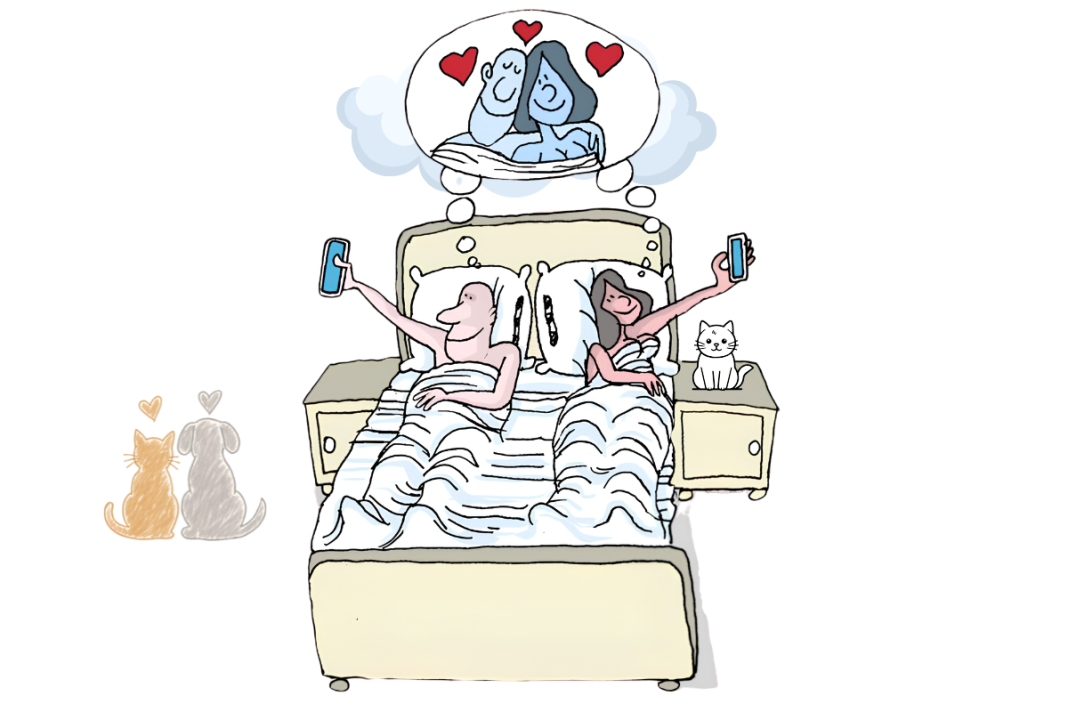
Today, a huge amount of dating happens on apps like Tinder, Hinge, and Bumble. On the surface, this sounds great. More choices, right? But for many young men, dating apps create more stress than joy.
Here’s the problem. On many dating apps, the numbers don’t work in men’s favor. Studies and reports over the years have shown that on typical dating apps, women often get far more matches and messages than men. A large share of men get very few likes. This means many young men send message after message and hear nothing back. Day after day. That kind of silence hurts. It slowly chips away at your confidence.
Imagine putting yourself out there again and again, and getting rejected—or worse, ignored—over and over. Even the strongest person would start to feel bad about themselves. This is the daily reality for a lot of Gen Z men on dating apps.
2. The Pressure to Look Perfect
Social media has made everyone into a kind of brand. Young men feel pressure to have the perfect photos, the perfect body, the perfect lifestyle. They see influencers with six-pack abs, fancy cars, expensive trips, and beautiful partners. Then they look at their own life and feel like they don’t measure up.
This is called social comparison, and it’s poison for your mental health. When you constantly compare your real life to other people’s highlight reels, you always lose. You start to think, “Why would anyone want me?” That thought is a lie, but it feels very real when you’re scrolling at midnight.
For Gen Z men, this pressure to look perfect makes dating feel like a competition they can’t win. They believe they need to be taller, richer, more muscular, or more successful before they even deserve a chance at love.
3. Confusing Rules About Masculinity
Here’s a big one. Young men today are getting mixed messages about what it means to be a man.
On one hand, they hear that they should be open, emotional, gentle, and respectful. On the other hand, they hear that women want confident, strong, “alpha” men who never show weakness. So which is it? Should they open up, or should they stay tough? Should they make the first move, or wait to be approached? Should they pay for the date, or split the bill?
These mixed messages leave a lot of young men confused and frozen. They’re scared of doing the wrong thing. In a time when people are more aware of respect and consent (which is a good thing), some young men become so afraid of crossing a line that they don’t act at all. They freeze up because they don’t want to be seen as creepy, pushy, or offensive.
This fear is understandable. But it also creates a kind of paralysis. When you’re afraid every move might be wrong, it becomes easier to just do nothing. And doing nothing means staying lonely.
4. The Loneliness Epidemic
Gen Z is often called the loneliest generation, and there’s a lot of truth to that. Many young men have very few close friends. They don’t have a strong social circle to lean on. They spend a lot of time alone, often online.
Loneliness and dating anxiety feed each other. When you’re lonely, dating feels even more important, so there’s more pressure on it. But when dating feels scary, you avoid it, which keeps you lonely. It’s a hard cycle to break.
Also, without close friends, young men have no one to talk to about their fears. They can’t ask a buddy for advice, share a funny bad-date story, or get a confidence boost from people who care about them. They face all of it alone, in their heads.
5. Growing Up Online Instead of In Person
Gen Z is the first generation to grow up with smartphones and social media from a young age. This changed how they learned to socialize. Many young men spent their teen years texting, gaming, and scrolling instead of talking to people face to face.
The result is that some young men never fully built up their in-person social skills. Talking to someone they like feels terrifying because they haven’t practiced it much. Eye contact, small talk, reading body language—these things feel foreign and scary. When you’re not used to real-life interaction, every conversation feels high-stakes.
What Dating Anxiety Actually Feels Like
Let’s get personal for a moment. What does this anxiety actually feel like from the inside? Here are some common experiences that Gen Z men describe.
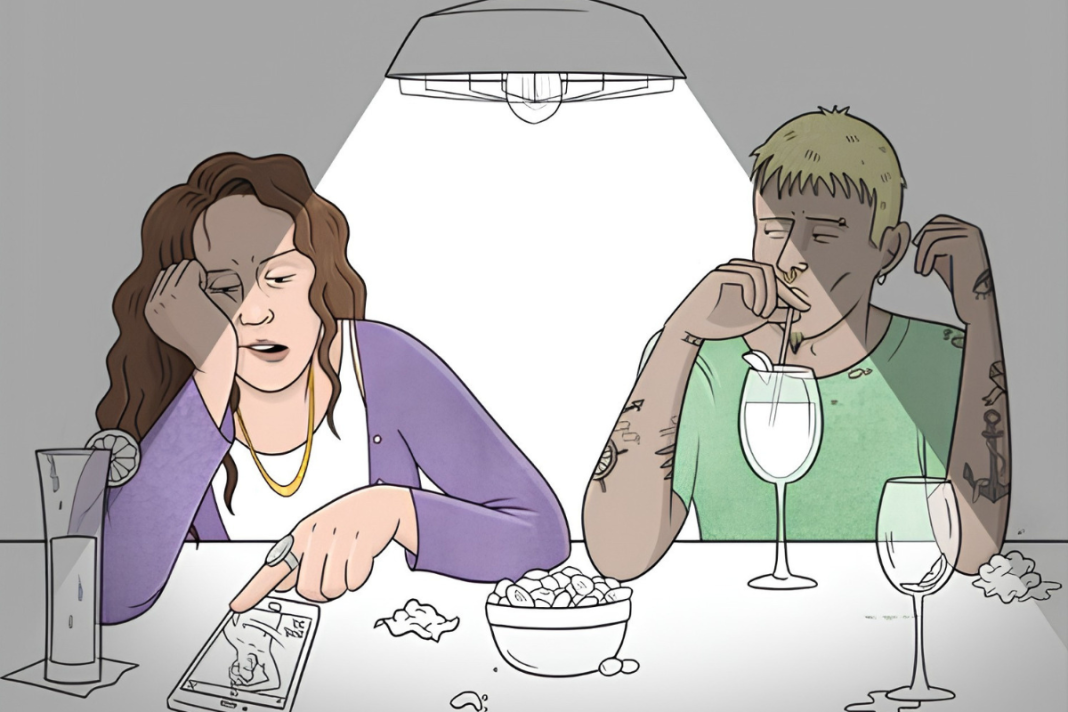
The overthinking spiral. You match with someone. You start typing a message. Then you delete it. Then you type another one. Then you delete that too. What if it’s too much? What if it’s too little? What if they think you’re boring? An hour passes, and you still haven’t sent anything.
The rejection sting. You finally send a message, and you get left on read. No reply. Your mind fills in the blanks with the worst explanations. “They think I’m ugly. They think I’m dumb. I’m just not good enough.” One small silence turns into a big story about your worth.
The pre-date panic. You have a date coming up. Instead of feeling excited, you feel sick. Your stomach is in knots. You think about canceling. You worry you’ll run out of things to say. You worry you’ll be awkward. The fear is so strong that sometimes you actually do cancel.
The comparison trap. You see a couple on Instagram looking happy. You see a friend post about their new relationship. And a voice in your head says, “Everyone has this but you. What’s wrong with you?”
The giving-up feeling. After enough rejection and silence, some young men just quit. They tell themselves dating isn’t worth it. They stop trying. But deep down, they still want connection. The quitting is really just a way to avoid more pain.
If any of this sounds familiar, please know this: you are not alone, and you are not broken. These feelings are incredibly common, even if nobody talks about them.
Why Men Don’t Talk About It
Here’s a sad truth. A lot of the pain around dating anxiety gets worse because men don’t talk about it. Why not?
For a long time, our culture has told men to “man up” and hide their feelings. Boys learn early that crying or admitting fear makes them look weak. So they bottle it up. They put on a brave face. They joke about being “forever single” instead of admitting they’re hurting.
There’s also shame involved. Many young men feel embarrassed to admit they struggle with dating. They think that a “real man” should just naturally be good at this stuff. So when they struggle, they feel like a failure, and they hide it even more.
This silence is dangerous. When you keep pain inside, it grows. It turns into depression, bitterness, or worse. The loneliness gets deeper. And sometimes, sadly, young men fall into online spaces that seem to offer answers but actually make things worse.
The Dark Side: Toxic Online Communities
We need to talk honestly about this part. When young men feel rejected, lonely, and confused, they often go online looking for help. Sometimes they find good advice. But sometimes they find toxic communities that make everything worse.
Some corners of the internet tell young men that women are the enemy. They tell them that dating is “rigged,” that they’re doomed because of their looks or height, and that they should give up or become bitter. These spaces feel comforting at first because they say, “It’s not your fault, it’s the system.” But over time, they fill young men with anger, hopelessness, and hatred.
This is a trap. These communities take real pain and turn it into resentment. They keep young men stuck instead of helping them grow. If you ever find yourself in a space online that makes you feel more angry and hopeless than before, that’s a sign to step away. Real help lifts you up. It doesn’t fill you with hate.
The Real Cost of Hidden Anxiety
When dating anxiety stays hidden and untreated, it doesn’t just affect your love life. It spreads into everything.
It affects your mental health. Chronic anxiety and loneliness are linked to depression. Young men who feel unwanted and isolated are at real risk.
It affects your self-worth. When you tie your value to whether people want to date you, every rejection feels like proof that you’re worthless. That’s a painful and dangerous way to live.
It affects your future relationships. If you carry all this fear and bitterness into a relationship later, it can poison it. Trust becomes hard. You might push people away before they can hurt you.
It affects society. When a whole generation of young men feels lonely and unwanted, that’s not just a personal problem. It becomes a social problem that touches all of us.
This is why we can’t just ignore this issue or make fun of it. The anxiety behind Gen Z men’s dating lives is real, and it matters.
So What Can Young Men Actually Do?
Okay, enough about the problems. Let’s talk about solutions. If you’re a Gen Z man dealing with dating anxiety, here are some real, practical things that can help. None of these are magic fixes. But together, they can change your life over time.
1. Take a Break From the Apps
If dating apps make you feel worse about yourself, it’s okay to step back. You don’t have to be on them. The endless swiping and silence can crush your confidence. Try deleting the apps for a few weeks. Meet people in real life instead—through hobbies, classes, sports, volunteering, or friends. Real-life connection is often warmer and less brutal than app dating.
2. Work on Your Real Life First
Here’s a truth that sounds simple but is powerful: the best way to become more attractive is to build a life you’re proud of. Not for anyone else—for you.
Find hobbies you love. Get in shape because it makes you feel good, not because you’re chasing someone. Build friendships. Learn skills. Chase goals. When you have a full, meaningful life, dating becomes less desperate. You’re not looking for someone to “complete” you. You’re looking for someone to share your good life with. That energy is far more attractive, and far less anxious.
3. Change Your Relationship With Rejection
Rejection is not proof that you’re worthless. Rejection is just part of dating. Everyone gets rejected—even the most attractive, confident people you can imagine.
Try to see rejection as normal, not personal. When someone doesn’t reply or isn’t interested, it usually means you two weren’t a match. That’s it. It doesn’t mean you’re ugly or unlovable. It just means: not this one. Move on.
The more you can accept rejection as a normal part of life, the less power it has over you. This takes practice, but it’s one of the most freeing things you can learn.
4. Practice Social Skills Slowly
If talking to people feels scary, remember that it’s a skill, and skills improve with practice. You don’t have to jump into a scary first date right away. Start small.
Say hello to a cashier. Make small talk with a classmate. Compliment a stranger’s dog. Chat with people at a hobby group. Every small interaction builds your confidence a little. Over time, talking to someone you like will feel less terrifying because you’ve practiced the basics.
5. Be Yourself, Not a Character
A lot of dating anxiety comes from trying to be someone you’re not. You try to act cool, or rich, or tough, because you think that’s what people want. But pretending is exhausting and stressful. And people can usually tell when you’re faking.
The freeing truth is that you don’t have to be perfect. You just have to be real. The right person will like the real you—your actual personality, your real interests, your genuine kindness. Being authentic takes the pressure off. You’re no longer performing. You’re just showing up as yourself.
6. Talk About It
Break the silence. Find someone you trust—a friend, a family member, a counselor—and talk about how you’re feeling. You’ll probably be shocked to learn how many other people feel the same way.
Talking releases the pressure. It reminds you that you’re not alone. And it can give you perspective when your anxious brain is telling you lies. Men need to support each other and be honest about these struggles. When we open up, we heal.
7. Consider Therapy
If your anxiety is really strong, therapy can genuinely help. A good therapist can teach you tools to manage anxious thoughts, build confidence, and understand where your fears come from. There is no shame in getting help. Getting therapy doesn’t mean you’re weak. It means you’re smart enough to take care of your mind. Taking care of your mental health is one of the strongest, most masculine things you can do.
8. Limit Social Media Comparison
Remember that social media is fake. It’s a highlight reel. Nobody posts their loneliness, their rejections, their bad days. When you compare your real life to everyone’s fake perfect posts, you always feel worse.
Try spending less time scrolling. Unfollow accounts that make you feel bad about yourself. Fill your feed with things that inspire and encourage you instead. Protect your mind. Your mental health is worth more than any app.
9. Be Patient With Yourself
Finally, be kind to yourself. Building confidence and finding love takes time. You will have awkward moments. You will get rejected. You will have bad dates. That’s all part of the journey. Everyone goes through it.
Don’t beat yourself up when things don’t go perfectly. Treat yourself the way you’d treat a good friend—with patience, kindness, and encouragement. You are a work in progress, and that’s totally okay.
A Message to Everyone Else
If you’re not a Gen Z man, but you know one—maybe a son, a brother, a friend, a student—here’s how you can help.
First, take their struggles seriously. Don’t laugh at them or dismiss their pain. Just because they’re young men doesn’t mean their loneliness isn’t real. It is.
Second, create space for them to talk. Let them know it’s okay to have feelings and fears. Listen without judging. Sometimes just being heard is enough to lighten someone’s load.
Third, encourage them toward healthy paths and away from toxic ones. Steer them toward real friendships, hobbies, and help—and away from bitter online spaces that feed on their pain.
We all have a role to play in helping young men grow into confident, kind, emotionally healthy adults. It takes a community.
The Bigger Picture
The hidden anxiety behind Gen Z men’s dating lives is not just about dating. It’s about a generation trying to find connection in a world that has changed faster than anyone can keep up with. Technology gave us amazing tools, but it also made human connection more confusing and, in some ways, harder.
The good news is that human beings are adaptable. We can learn. We can grow. We can build new habits and healthier ways of relating to each other. The young men struggling today are not doomed. They have every chance to build happy, loving, connected lives. But they need understanding, honest conversation, and real support to get there.
Dating anxiety is real. The loneliness is real. The confusion is real. But so is hope. So is growth. So is the possibility of connection.
Final Thoughts
If you’re a Gen Z man reading this and you feel seen, I want to leave you with a few final words.
You are not broken. You are not unlovable. You are not alone. The struggles you feel are shared by millions of other young men who are too afraid to say it out loud. Your worth is not measured by how many matches you get or how many dates you go on. Your worth comes from who you are—your character, your kindness, your dreams, your heart.
Take the pressure off. Build a life you love. Treat people with respect and treat yourself with kindness. Learn to sit with rejection without letting it define you. Talk to people you trust. Get help when you need it. And be patient, because good things take time.
The dating world can feel like a cruel, cold place right now. But real connection is still out there. Real love is still possible. And you deserve it—just as you are.
The hidden anxiety may be real. But it doesn’t have to control your life. With honesty, patience, and a little courage, you can find your way through it. And on the other side, a fuller, freer, more connected life is waiting.
If you or someone you know is struggling with deep loneliness, depression, or thoughts of self-harm, please reach out to a mental health professional or a crisis helpline in your country. You don’t have to face it alone. Help is real, and things can get better.