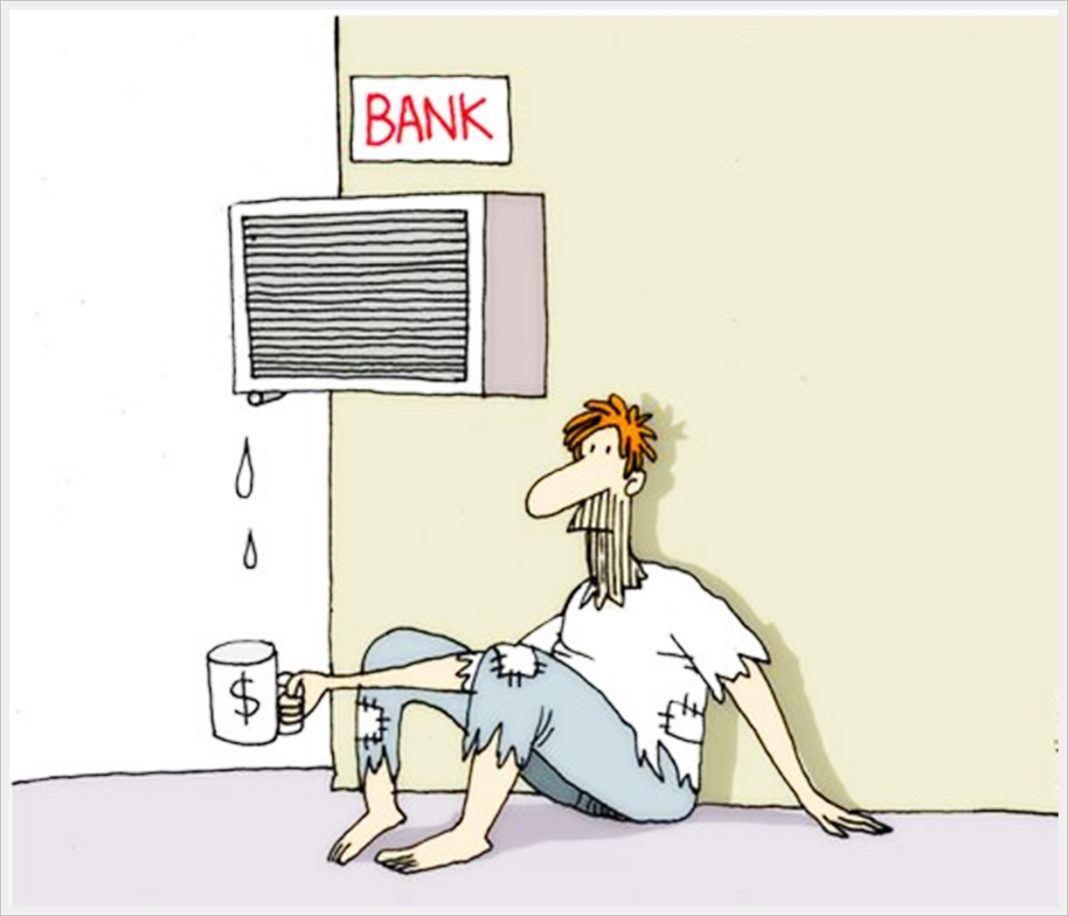


While the idea of billionaires secretly pulling the strings of democracy is alarming, their methods of influence are often not quiet but embedded in the legal framework of modern campaign finance. Their control is exercised through several powerful and well-documented channels that can indeed diminish the impact of an individual’s vote .
The Machinery of Influence: How Money Shapes Politics
Billionaires exert influence through a multi-pronged approach that leverages legal structures and personal connections to shape the political landscape to their advantage.
-
The Super PAC and “Dark Money” Engine: The most significant shift came from the Supreme Court’s 2010 Citizens United v. FEC decision, which opened the door for corporations, unions, and individuals to spend unlimited sums on political campaigns . This led to the creation of Super PACs, which can raise and spend unlimited amounts but cannot directly coordinate with a candidate’s campaign . The problem is compounded by “dark money”—funds funneled through non-profit organizations that are not required to disclose their donors . This means a mining company can bankroll a campaign to weaken environmental regulations, or pharmaceutical interests can spend against drug-price reforms, all without the public knowing who is behind the message . The result has been an explosion in spending, with outside spending rocketing from $144 million in 2008 to over $4.2 billion in 2024 .
-
Direct Lobbying and the “Revolving Door”: Billionaires and the corporations they control spend vast amounts on direct lobbying to push for policies that favor their interests . A prime example is the burgeoning Artificial Intelligence industry. In 2025, AI executives like Sam Altman of OpenAI and venture capitalists Marc Andreessen and Ben Horowitz pledged hundreds of millions of dollars to new political groups aimed at shaping AI policy toward deregulation and industry-friendly rules . This spending is often effective; the Trump administration’s “America’s AI Action Plan” was noted for largely echoing talking points from AI industry lobbyists . This influence is cemented by the “revolving door,” where individuals move between powerful roles in government and the private sector, creating a network that tightly intertwines economic and political power .
-
Placing Themselves in Power: A surprisingly high number of billionaires choose to enter politics directly. A study from Northwestern University found that over 11% of the world’s billionaires have run for office or become politicians . While the rate is lower in the U.S. than in autocracies, examples abound, from former President Donald Trump and Illinois Governor J.B. Pritzker to former New York City Mayor Michael Bloomberg . These candidates have the distinct advantage of being able to fund their own campaigns with personal fortunes, effectively drowning out less-funded opponents .
The Tangible Impact on Democracy
This concentrated influence has real and measurable consequences for the democratic process and public trust.
-
Policy Tilted Toward the Wealthy: When a tiny fraction of the population provides the vast majority of campaign funds, it inevitably skews policy priorities. As one analysis noted, the knowledge politicians have of their hidden donors “cements a bond of obligation,” sharpening the leverage the donor has over the recipient . This leads to a system where the interests of wealthy donors—such as tax cuts for the rich or deregulation of their industries—are often prioritized over broader public concerns like healthcare costs or education funding .
-
Erosion of Public Trust: The American public is acutely aware of this dynamic. A Washington Post-Ipsos poll from September 2025 found that 75% of Americans are concerned about the influence of billionaires on elections . The primary reason for this concern is the widespread belief that wealthy donors can “buy influence, tilt election outcomes, exert outsized political power or pursue agendas that serve their own interests” . This erosion of trust is corrosive, making citizens feel their votes don’t matter and that the system is inherently rigged .
-
The Illusion of Quiet Control: The influence is often not quiet to the politicians who benefit from it. As the Center for American Progress argues, “dark money is only dark to the public. Those who benefit from it know full well where it is coming from” . The secrecy does not hide the donor from the candidate; instead, it shields the donor from public accountability while increasing their leverage over the official they helped elect.
Resistance and Reform: Pushing Back Against Concentrated Power
Despite the challenges, there is significant pushback from various quarters, including from some billionaires themselves.
-
Billionaires Against Big Money: A coalition of billionaires, including Mark Cuban, Reid Hoffman, and William von Mueffling, have joined a legal fight to uphold campaign finance limits. They filed an amicus brief arguing that their “enormous wealth shouldn’t provide them more political influence than other Americans” and that limits are “necessary to protect democracy from the kind of corruption that plagues too many elections” .
-
Grassroots and Legal Strategies: Organizations are pursuing innovative strategies to counter the influence of big money. The Center for American Progress advocates for a “Corporate Power Reset,” a state-based strategy that uses states’ sovereign power to redefine corporate charters, explicitly denying corporations the power to spend money in politics . This approach is already being advanced in Montana as “The Montana Plan,” a constitutional initiative headed for the state’s 2026 ballot . Additionally, programs for public campaign financing, like small-donor matching funds and “democracy vouchers,” are being implemented in places like New York State and Seattle to amplify the voices of ordinary voters.